
Category: Design History
-
‘Trendy’ – a critical anatomy of the role of trends in graphic design

With some variations, it always goes like this: A designer notices a trend. Many of their colleagues use the same font, or align text a certain way, or employ similar illustrations or images. They get angry. The next step is to declare it a ‘trend’. They complain that nobody thinks about design anymore, “it’s all…
-
Design as a morality of form
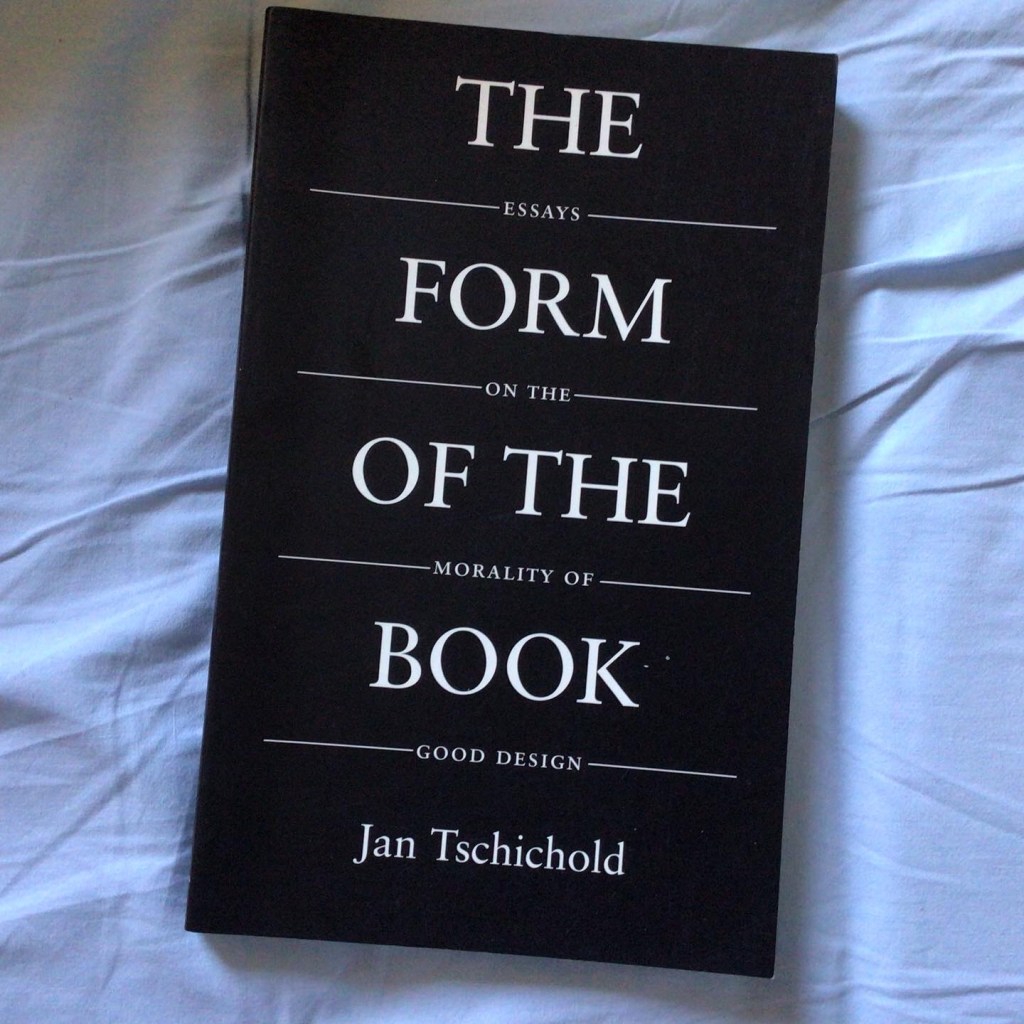
What had Jan Tschichold and his adversary Max Bill in common? Both equated form with morality. During design’s high modernist phase, it was usual to talk about form in terms of morality, personal but, above all, civic. Good form was a moral and not so much a political objective. On the old form/content divide, politics…
-
The Non-Visual Origins of Corporate Image
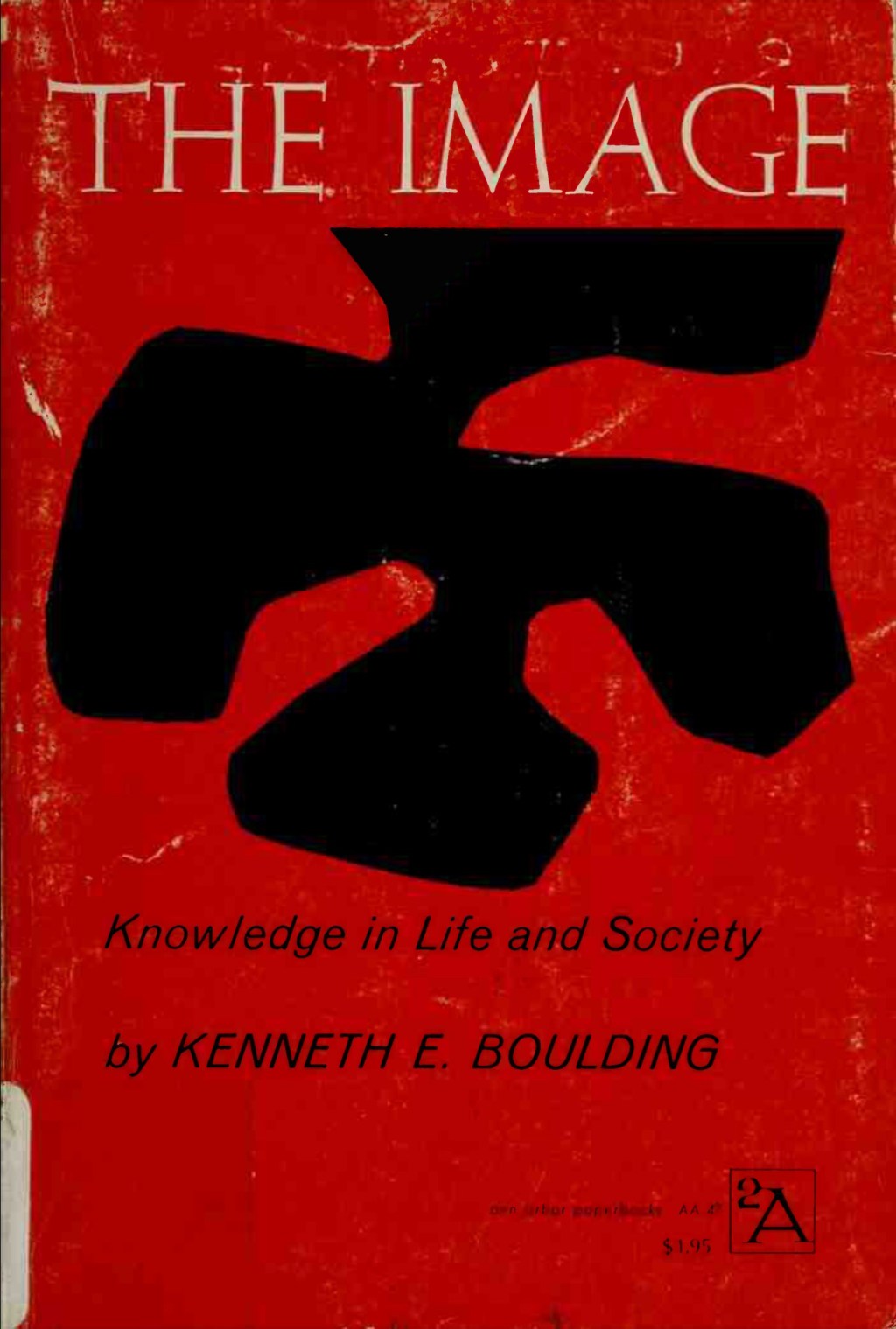
It is likely that “corporate image” is the most famous use of the word “image” within graphic design. However, this concept is startlingly non-visual. In their Graphic Design History, Johanna Drucker and Emily McVarish discuss the role of Kenneth Boulding’s 1956 book, The Image, in promoting graphic design among corporate managers: «The idea of value…
-
Exploring Design’s Shift Away from Image
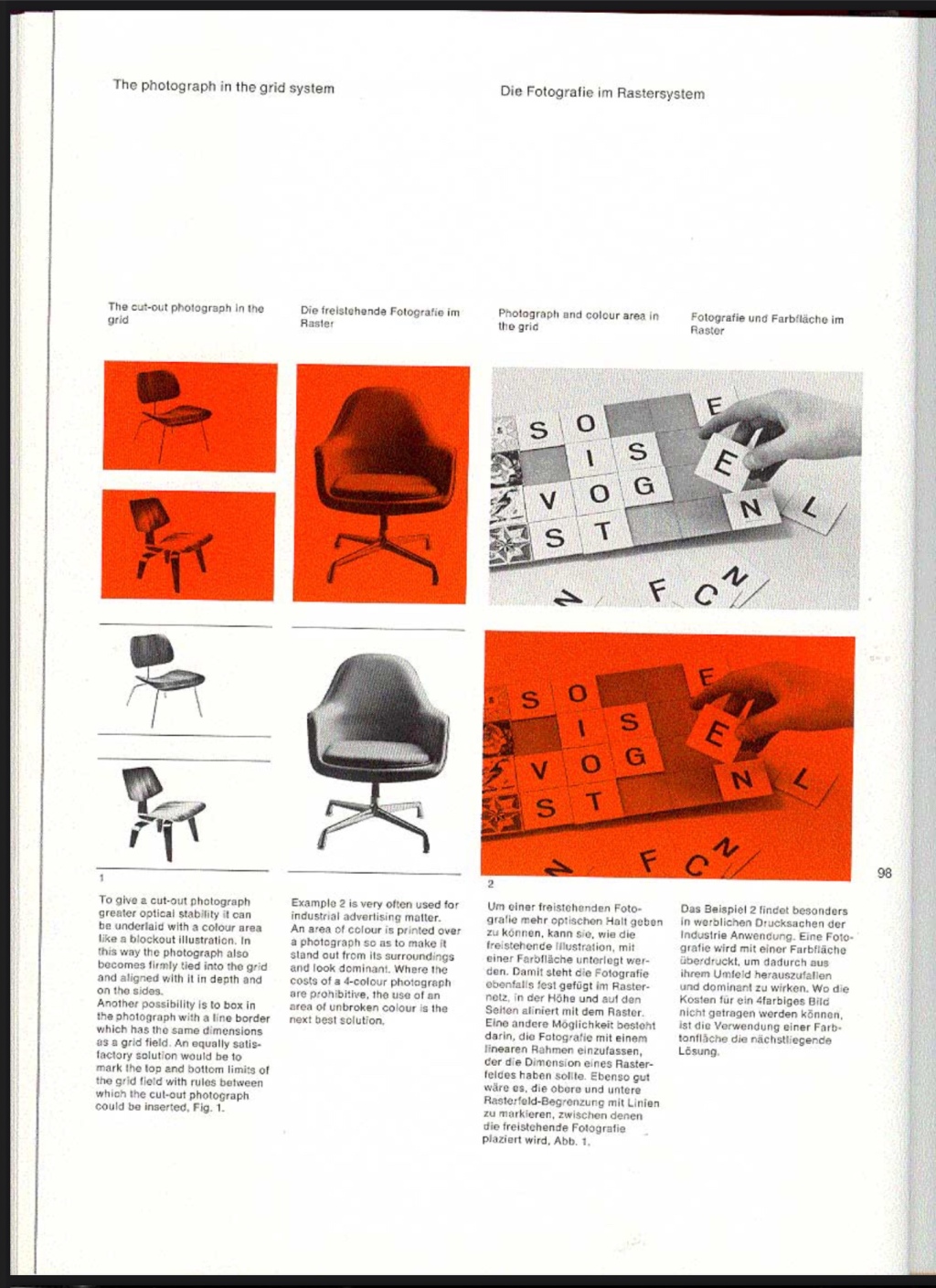
In my last piece, I argued that design shifted its focus away from images at a time when these are all-pervasive. It is plausible to suggest that graphic designers embraced a greater specialization in typography to avoid obsolescence. If everybody is now an image-maker, we could care for the “rest.” While we may perceive our…
-
Design and image?
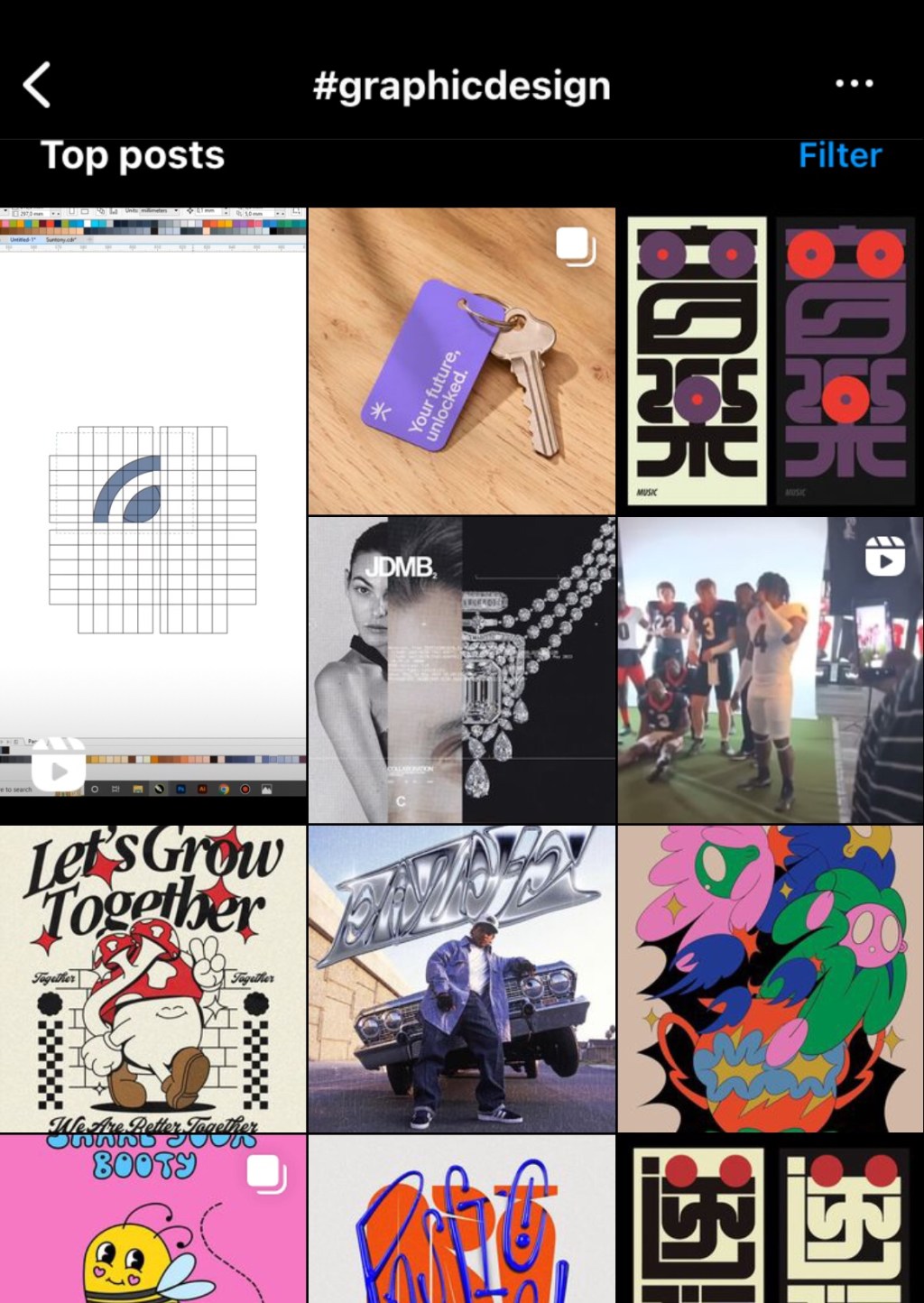
How can you tell if an Instagram account belongs to a graphic designer? While most people use the platform to display photos, graphic designers show letters: fonts, logos, posters, magazines, books, or websites. Even more fascinating is their use of a social network made for showcasing for photos to share little textual slideshows. This tendency…
-
Alda Rosa, Designer

Alda Rosa was one of the great typographic designers of the heroic era of Portuguese design. Perhaps Sebastião Rodrigues is her only peer. By this, I mean that they made a design where typography was part of the whole—no more, no less than that. In other practitioners, like Vitor Palla, there was a strong sense…
-
Forget design?
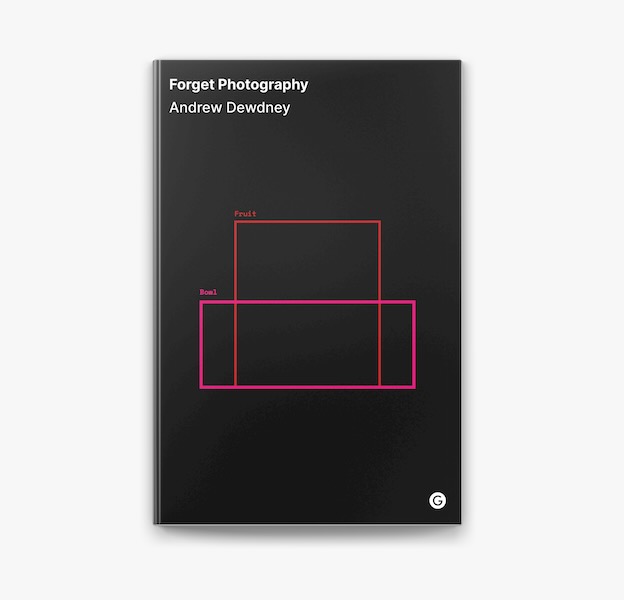
«Forget Photography» has a clever cover for a book that is a great read.1 Andrew Dewdney believes that the paradigm of photography can no longer explain what he calls the networked image. Photography can’t account for its central role in constructing capitalism, white supremacy, and patriarchy. Dewdney proposes, in short, to forget photography. He does…
-
The missing centennial.
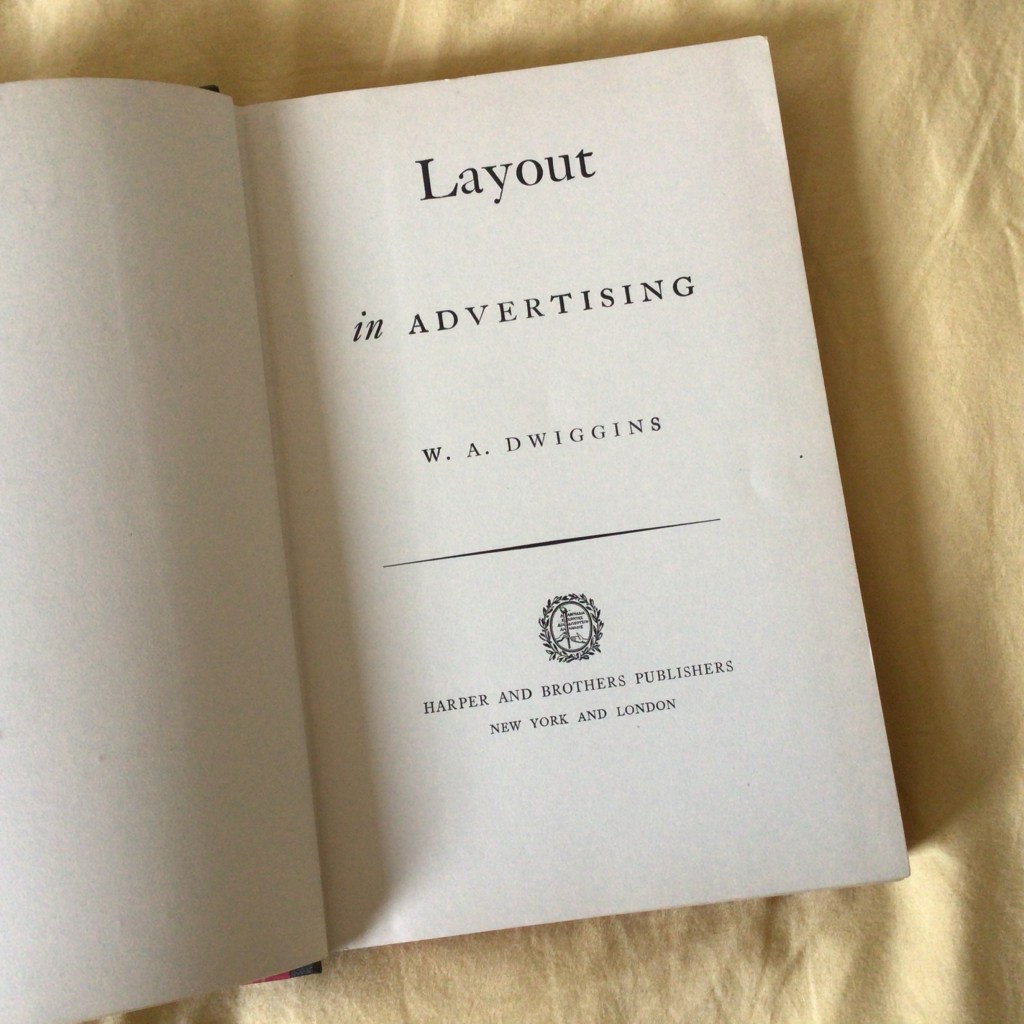
W.A. Dwiggins first used the term graphic design in the text “New Kind of Printing Calls for New Design,” published in August 1922 in a special section of the Boston Evening Transcript devoted to the graphic arts. It was a hundred years ago this August. I waited in vain for the fireworks. As a discipline,…
-
What Comes After Form? (2)
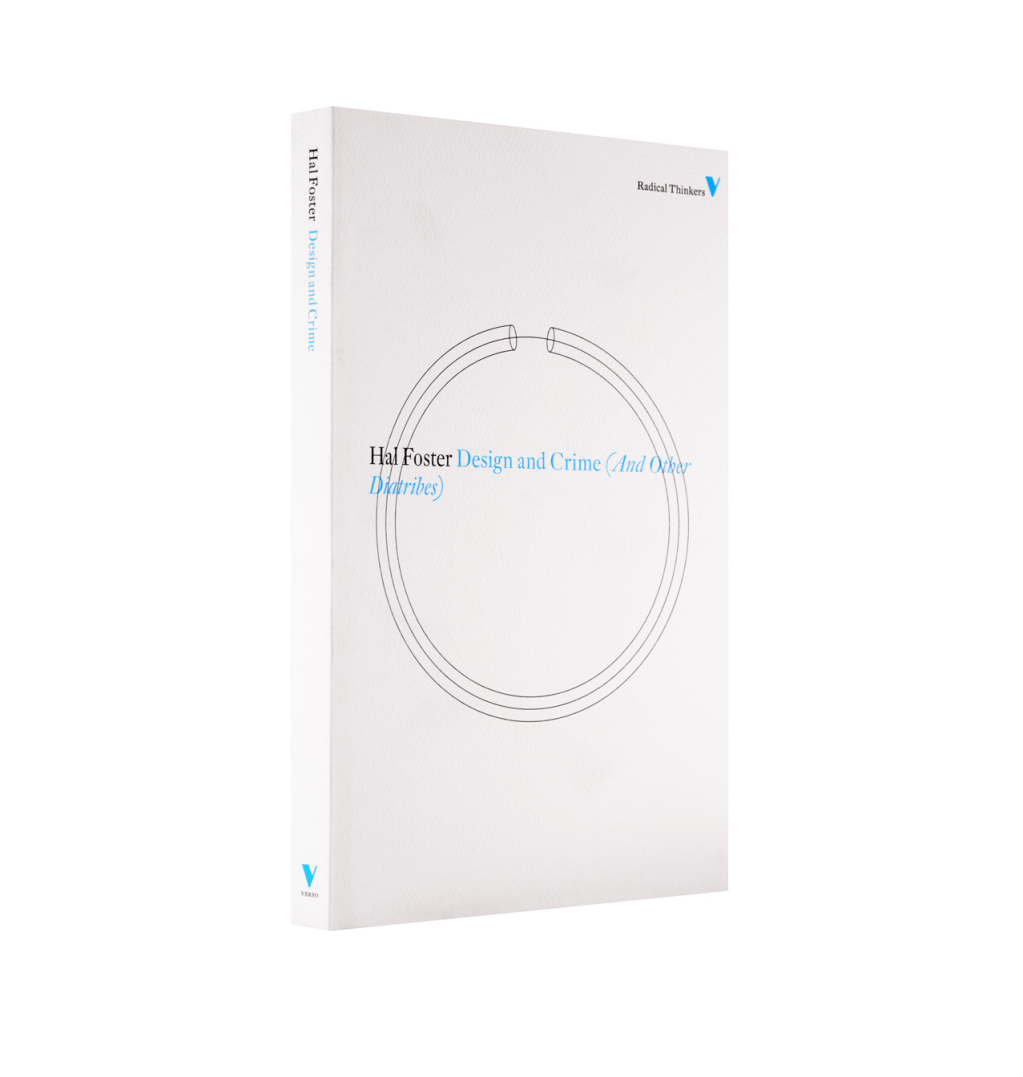
If Form is not Design’s paradigm anymore, what comes next? If you’d asked art critic Hal Foster around the turn of the Millenium, he would probably answer Design itself succeeded Form. In 2000, Foster published his influential essay “Design and Crime,” which echoed Adolf Loos’ “Ornament and Crime.” Loos’ text was a violent, often racist…
-
What Comes After Form?
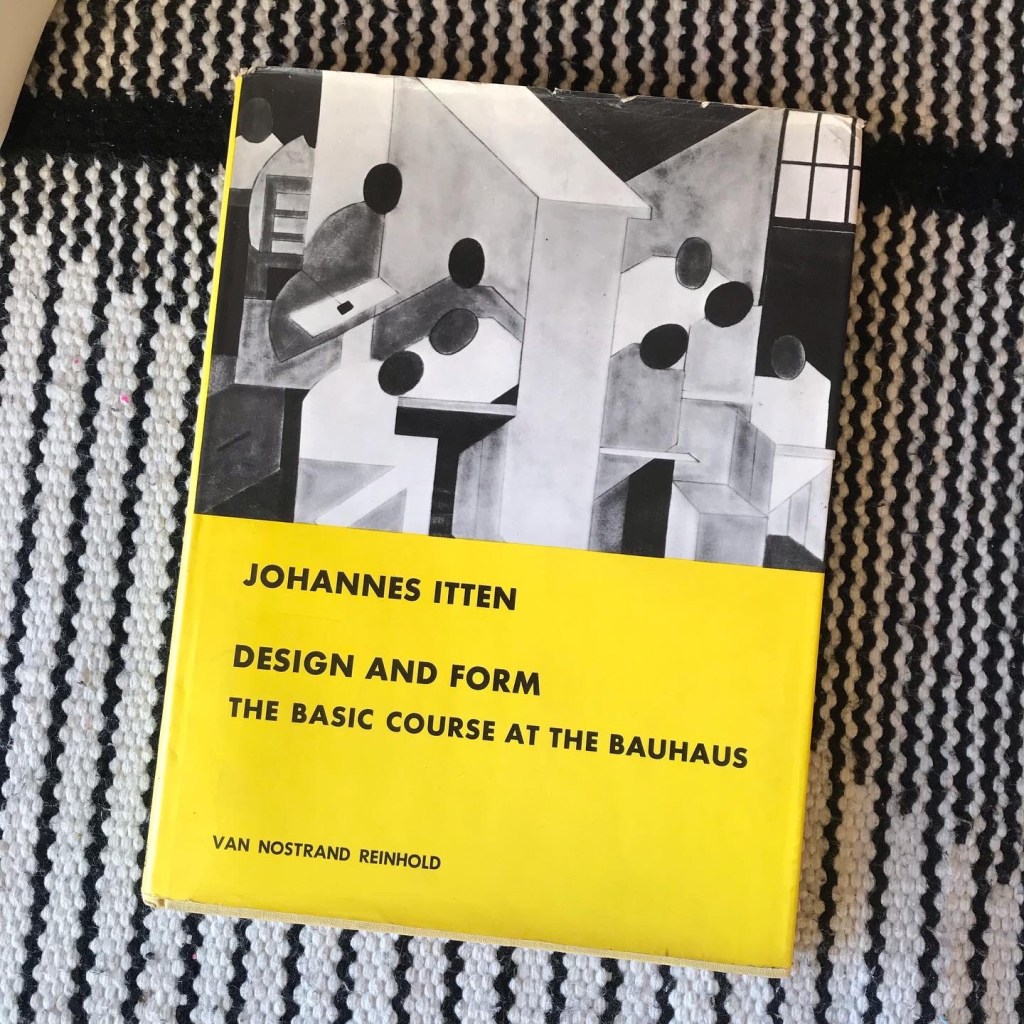
There was a time when every other design book or magazine had to mention «form» on its title. When did speaking about form in graphic design begin to feel so dated? It’s not that form has vanished, but designers no longer consider it an overarching problem. It’s taught at school using old Bauhaus or Swiss…
 Unseen by Design