
Category: politics of design
-
Design as a morality of form
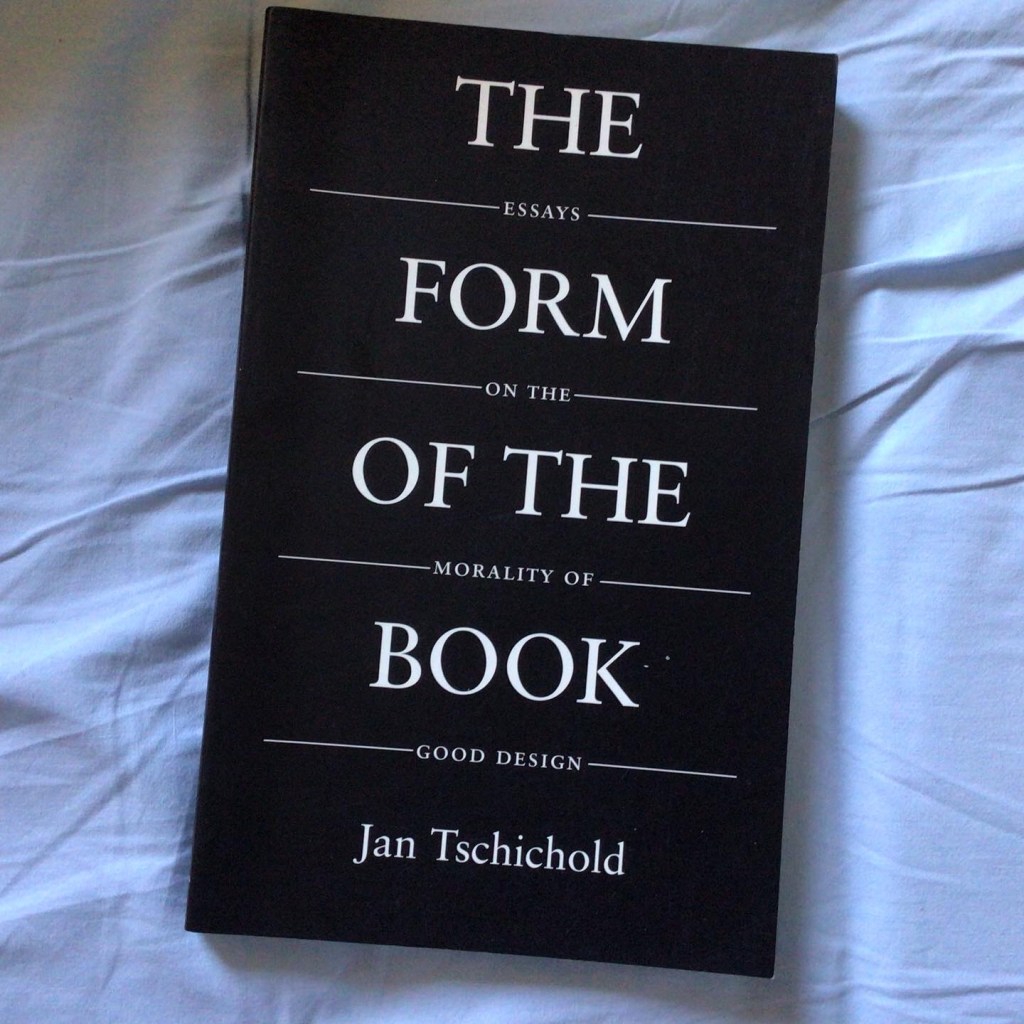
What had Jan Tschichold and his adversary Max Bill in common? Both equated form with morality. During design’s high modernist phase, it was usual to talk about form in terms of morality, personal but, above all, civic. Good form was a moral and not so much a political objective. On the old form/content divide, politics…
-
Why the aversion to self-reflexive design?

W.J.T. Mitchell developed the idea of Metapictures in the book “Picture Theory” (1994). These are images about images. They can be cartoons about cartoons, photographs about photography, cartoons about photography, and so on. They can even theorize about images – hence “Picture Theory.” Magritte’s painting “The Treachery of Images,” commonly known as “This is not…
-
The roles of neglecting images, form and style in graphic design’s political discourse
It is not that designers avoid images. The issue is that they don’t speak about them — particularly when compared to the attention to detail devoted to typography. Conversations about form or style are infrequent and often vague, primarily consisting of labeling as “trendy” work and designers you disapprove of. This widespread avoidance of discussing…
-
Defining social, moral and political Borders: the Text/Image divide in Graphic Design

One of the crucial social functions of graphic design is enforcing the boundaries between text and image. These limits form a profound political, social, moral, and religious frontier. Within the field of graphic design, the demarcation lines separating text and image are crucial in defining what falls within the discipline of graphic design and what…
-
The missing centennial.
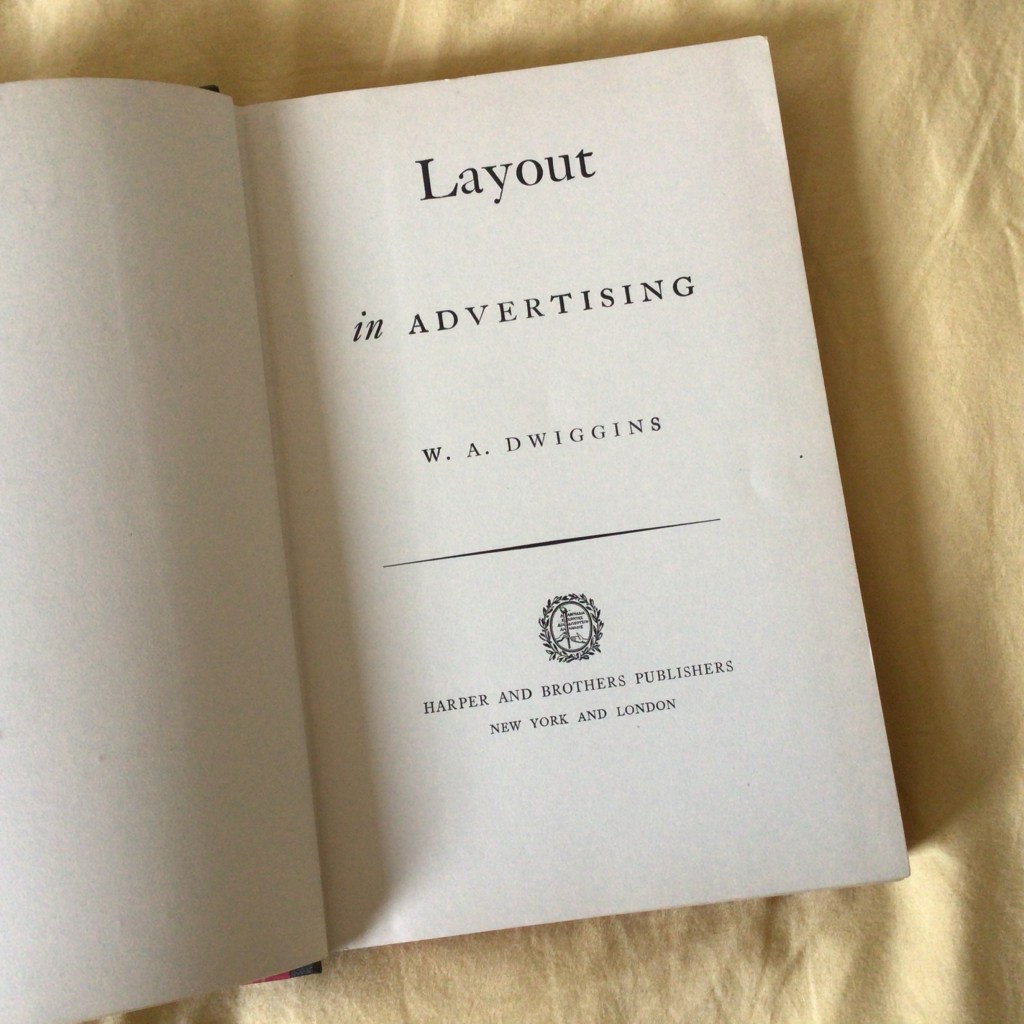
W.A. Dwiggins first used the term graphic design in the text “New Kind of Printing Calls for New Design,” published in August 1922 in a special section of the Boston Evening Transcript devoted to the graphic arts. It was a hundred years ago this August. I waited in vain for the fireworks. As a discipline,…
-
What about Ukraine?
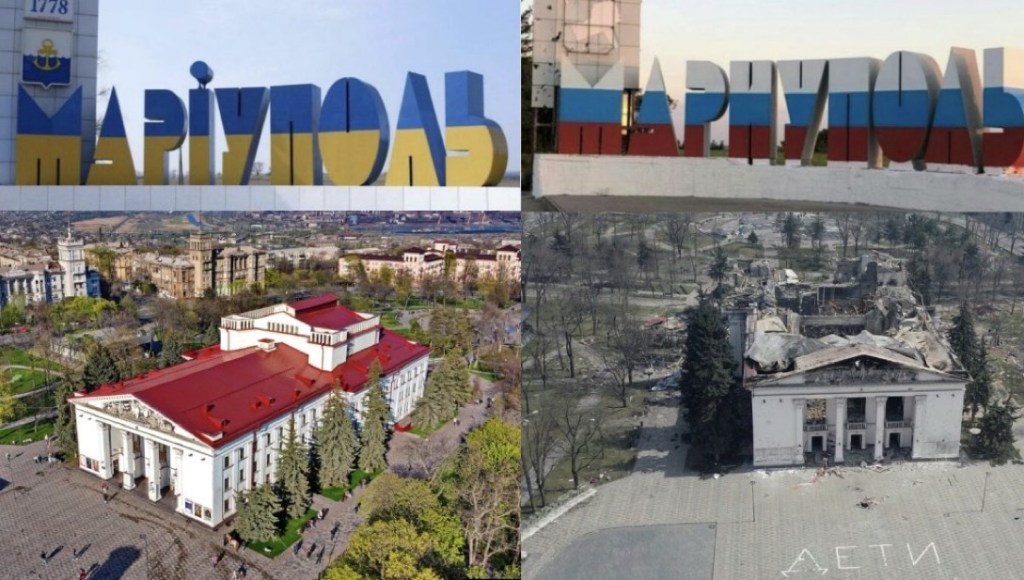
It has been challenging for me to think about the implications of Ukraine’s war on graphic design. I haven’t read any texts or interventions on the subject. Before writing this post, I took a look at Aiga Eye on Design and Design Observer and found nothing. The same at Futuress. I don’t know if I…
-
What Comes After Form? (2)
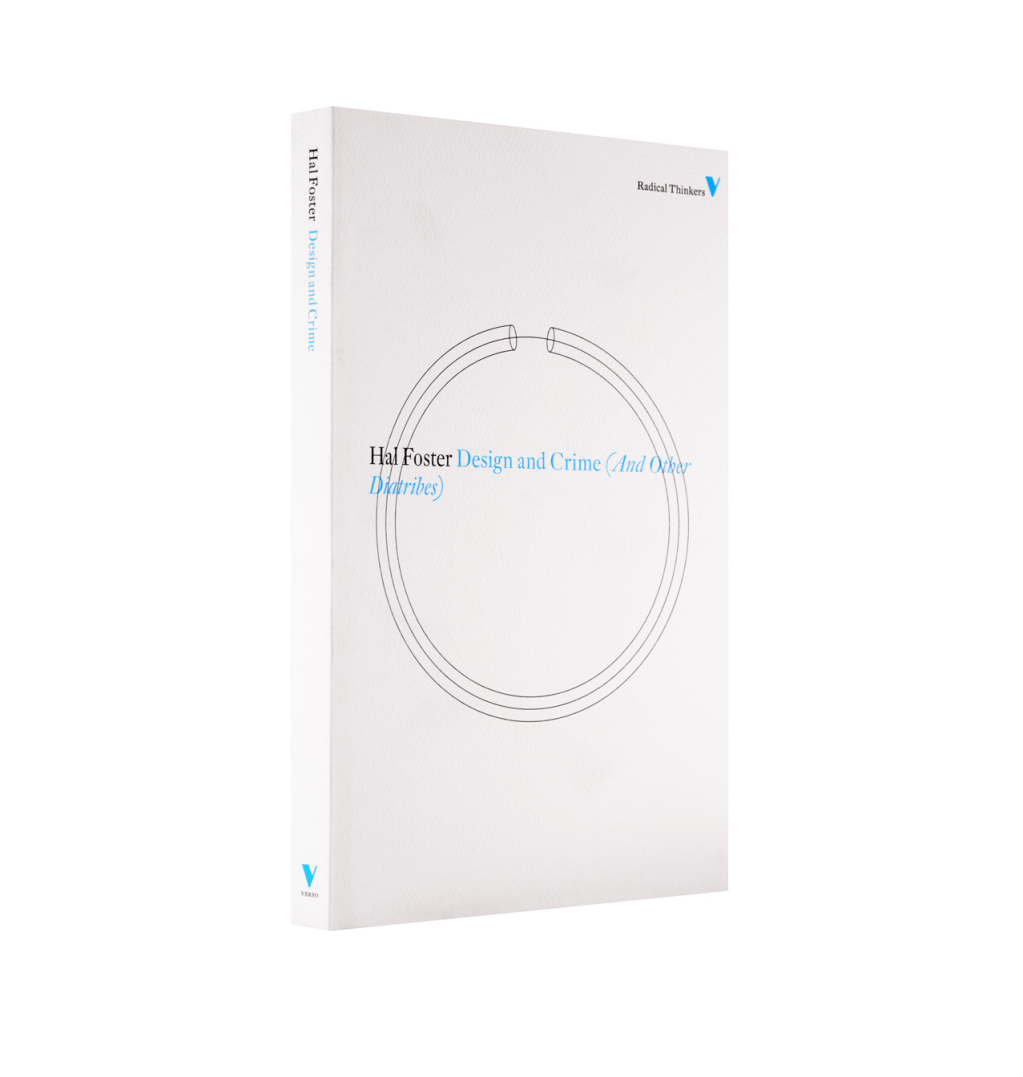
If Form is not Design’s paradigm anymore, what comes next? If you’d asked art critic Hal Foster around the turn of the Millenium, he would probably answer Design itself succeeded Form. In 2000, Foster published his influential essay “Design and Crime,” which echoed Adolf Loos’ “Ornament and Crime.” Loos’ text was a violent, often racist…
-
Form is political
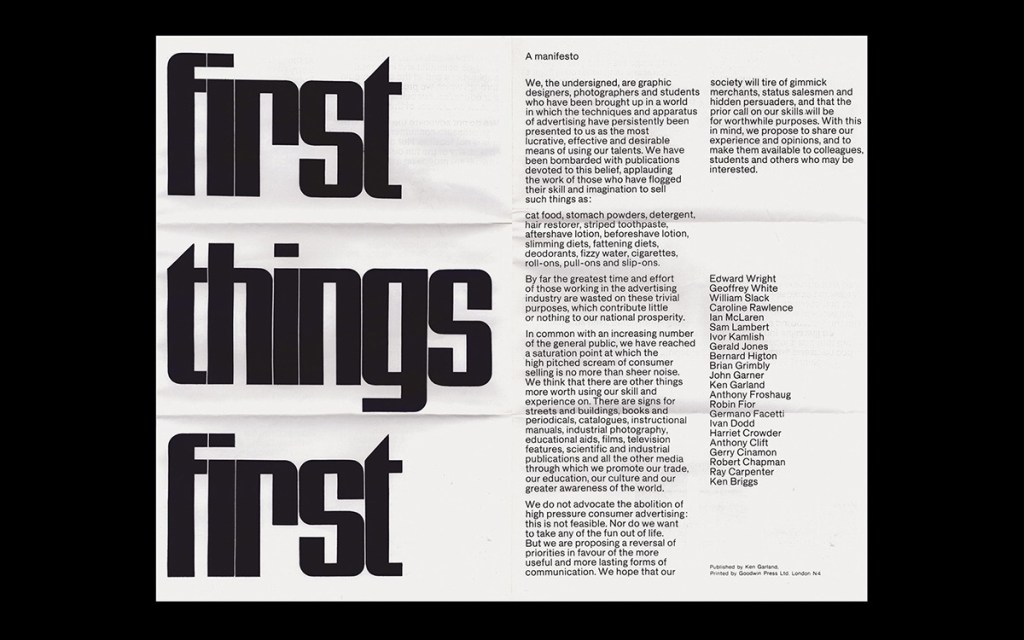
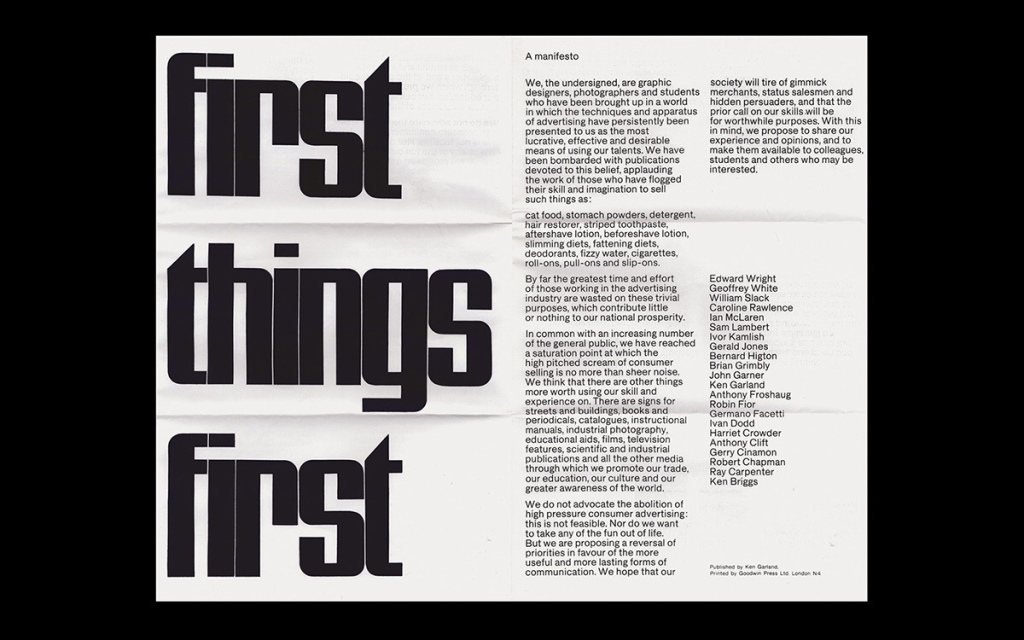
What are we speaking about when we speak about the politics of design? The “First Things First Manifesto,” published originally in 1964 and updated periodically, is an excellent place to search for an answer. In brief, the manifesto appeals to designers to do less publicity work for corporate clients, choosing instead to solve public and…
 Unseen by Design